Life doesn't become play when you change what you're doing.
Life becomes play when you change how you're doing it.
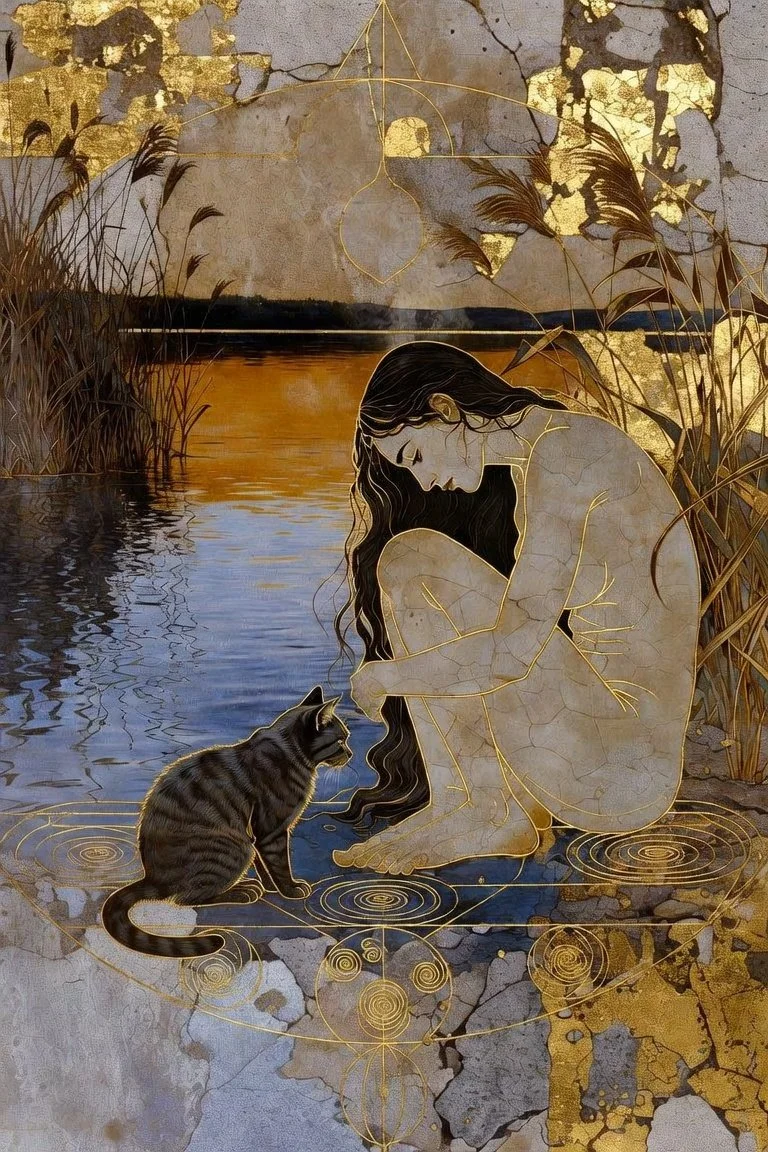
Life doesn't become play when you change what you're doing.
Life becomes play when you change how you're doing it.
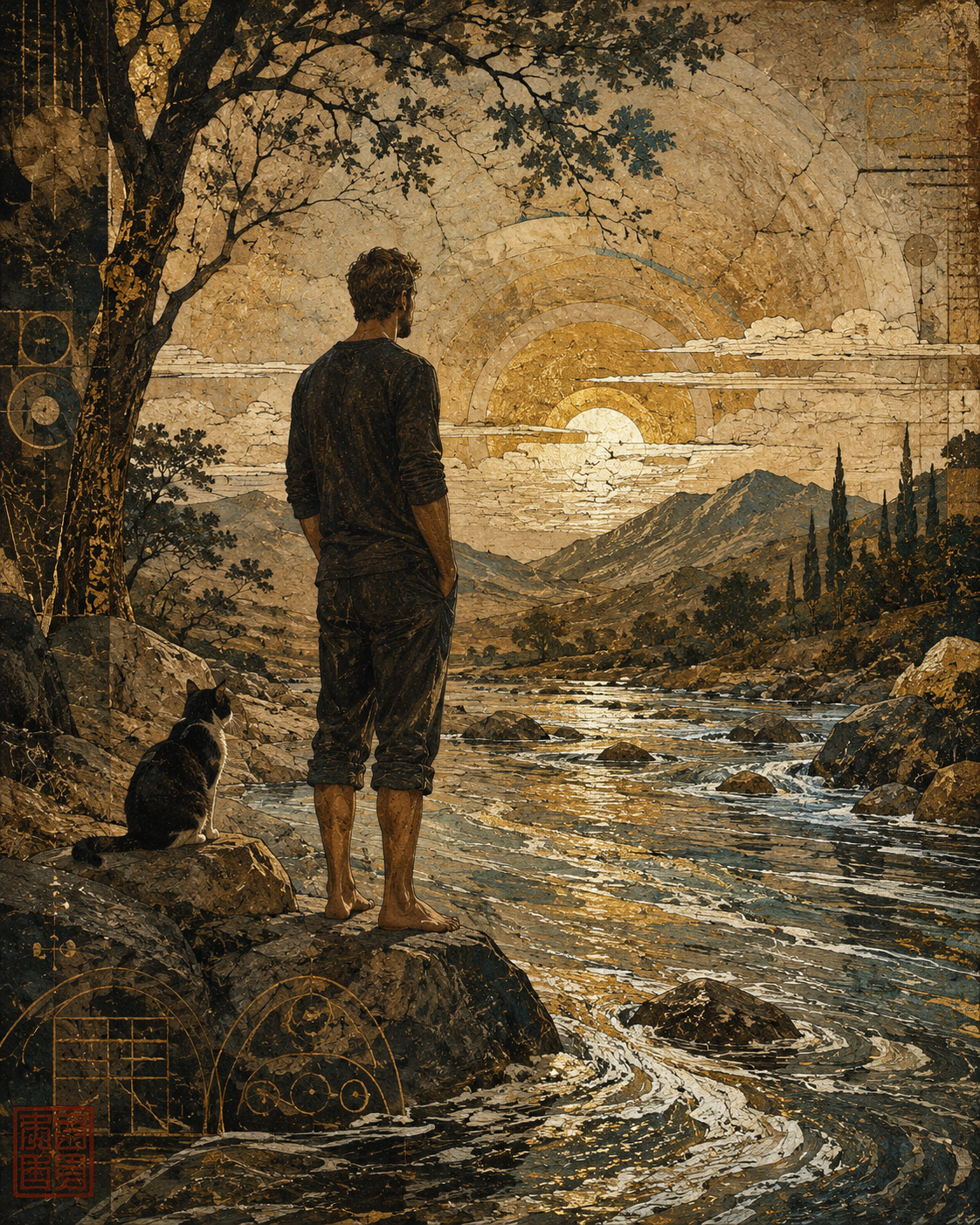
Purpose is not the final destination of a man.
Power gives him the ability to act.
Purpose gives him direction.
But beyond even purpose lies another field:
Presence.
The capacity to be fully here, fully alive, and fully participating in all of reality itself.
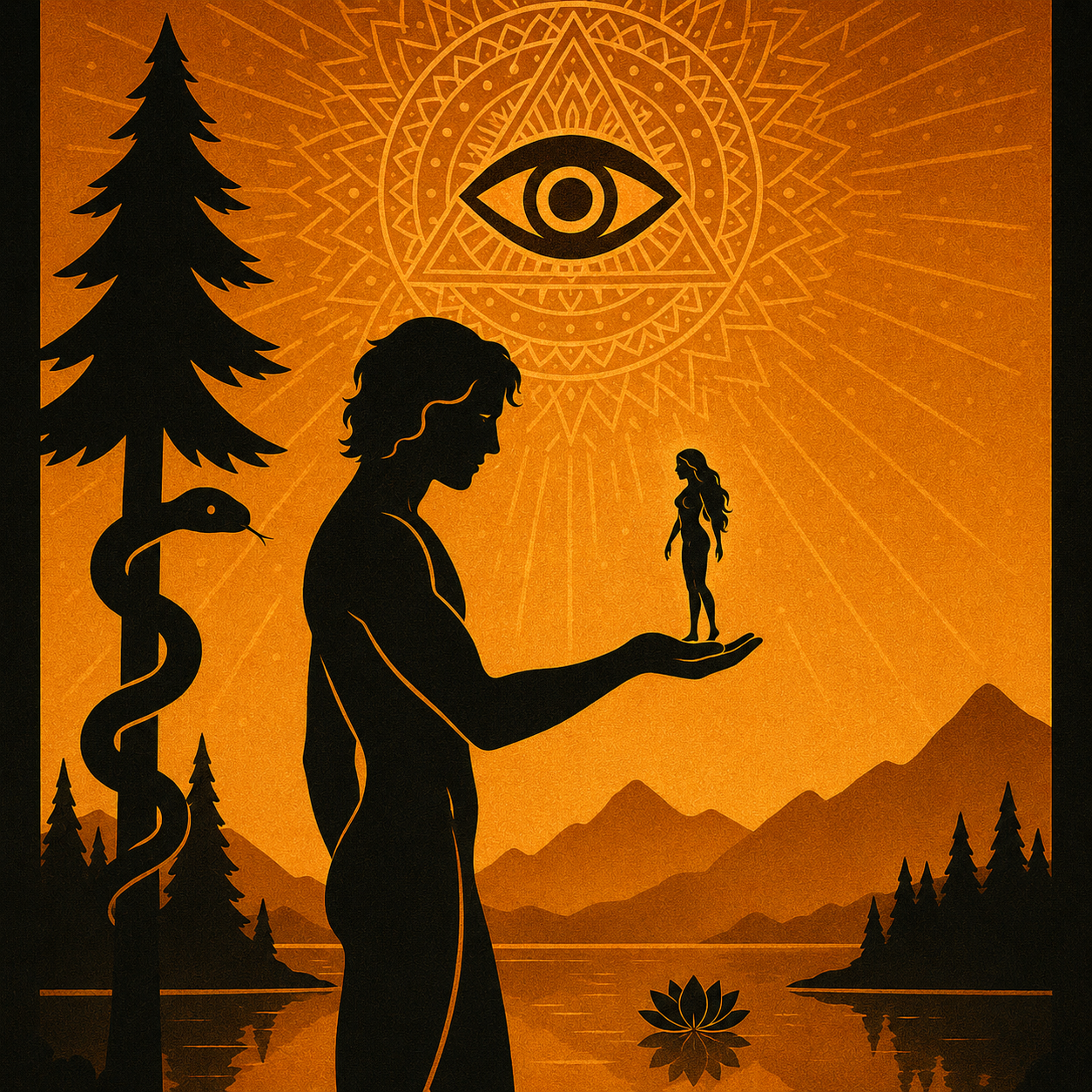
Next time you feel something...
Include it.
"I include this feeling in my experience."
Then breathe.
Don't hold it.
Don't resist it.
Just include it.
Then exhale.
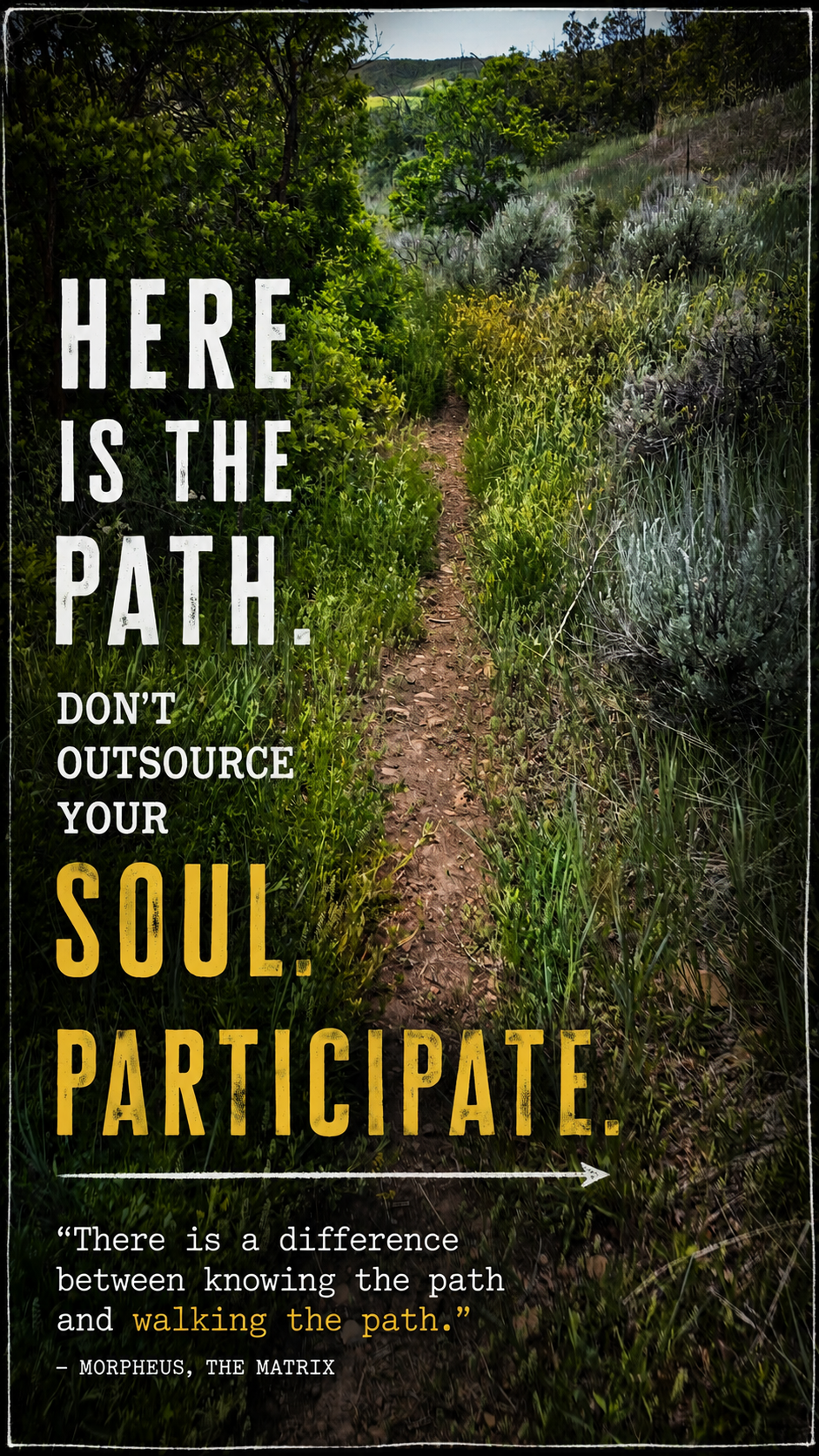
This morning I found myself reflecting on AI.
Not from a place of fear. Not from a place of defending it. Just from my own lived experience.
This year alone I've traveled to Miami for Ultra with friends. I went to EDC with my family. I spent a weekend in Nashville for meditation. I went camping at Black Sheep. I flew to California to see Rush. I'm training for Ragnar. I went to Las Vegas for a board game convention and saw Illenium at the Sphere with my daughter.
Adventure. Experience. Action.
As my friend Aubree likes to tease me, I'm becoming a traveler.
And when I look back on all of it, I realize AI enhanced many of those experiences.
It helped me think. It helped me plan. It helped me organize. It helped me learn. It helped me create.
But it didn't live my life for me.
I still made the trips. I still had the conversations. I still sat in meditation. I still ran the miles. I still stood in the crowd singing Rush songs with thousands of people. I still laughed with friends around campfires. I still experienced awe.
That's an important distinction for me.
I don't want to outsource my soul.
I still think for myself. I still value creativity. I still exercise discernment. And perhaps most importantly, I still enjoy challenges.
AI can solve a lot of problems. But I don't want all my problems solved.
Years ago, during a meditation, God said to me:
"I would never solve all your problems for you. I would never do that to you."
At the time I didn't fully understand it.
Now I think I do.
It wasn't a statement about limitation. It was a statement about love.
Because if every challenge were removed, every obstacle cleared, every problem solved, I would lose the opportunity to solve them myself.
And that's the gift.
You get to do this.
You get to struggle. You get to learn. You get to fail and try again. You get to build strength, wisdom, character, resilience, and courage through lived experience.
Human beings are wired for challenge. We are wired for growth, striving, curiosity, goals, setbacks, and discovery. The satisfaction doesn't come from having every obstacle removed. It comes from engaging with life and finding out who we become along the way.
A tool that helps me climb bigger mountains is wonderful.
A tool that climbs the mountain for me removes the very thing that made the climb meaningful.
So no, I don't see AI as a replacement for living.
I see it as a tool that can help me live a bigger life.
The key, at least for me, is remembering that the point was never efficiency.
The point was participation.
You get to do this.
P.S. One of my clients, Luke, arrived last night with his wife for today's workshop. This morning, before we even started, he went out and ran the hill near my house.
That struck me as a perfect example of what I'm talking about.
There is a difference between learning, planning, thinking, and preparing...
and actually participating.
Nobody can run the hill for you.
You get to do that part yourself.
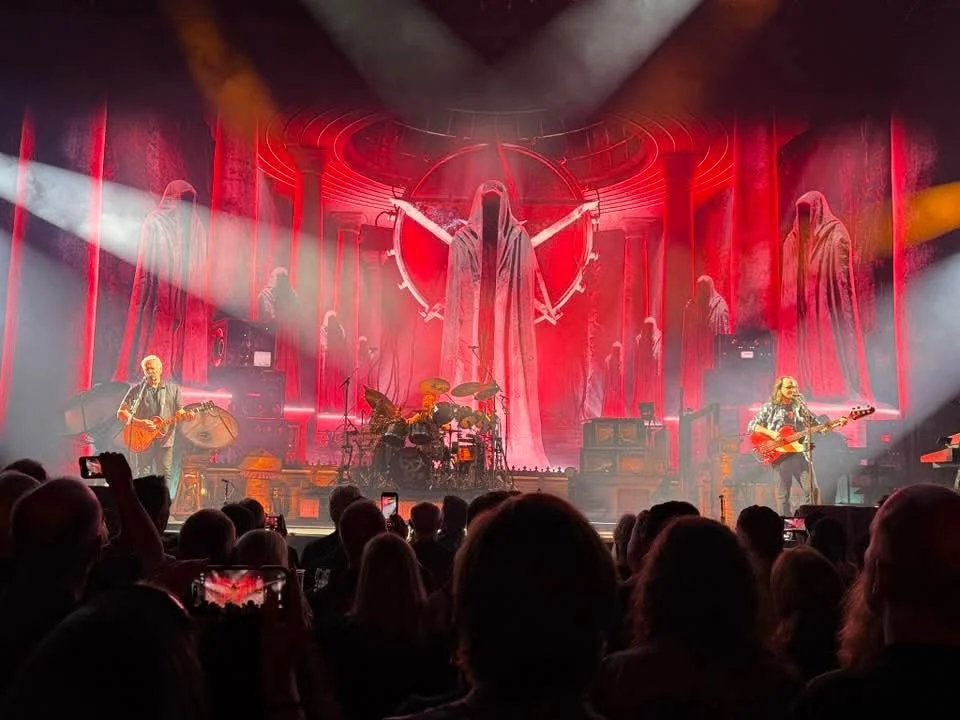
Tuesday night I got to see Rush again.
A thing I honestly never thought would happen.
And it did.
The world is beautiful, abundant, and I am deeply grateful.
I went with my son Riley, my wife Jennie, and our friends Tom and Chrystal. I even ran into an old high school friend, Danny.
Since the show, I've read dozens of people's stories and reactions. I find myself agreeing with so many of them. There is a shared love for Rush that is hard to explain to anyone who wasn't there.
We didn't just listen to the music.
We grew up with it.
For many of us, especially during those formative teenage years, the songs weren't entertainment. They became part of how we saw ourselves. Part of our identity. Part of how we understood the world.
So standing there with thousands of people, singing, cheering, roaring with the crowd...
You have to believe me.
It was something more than a concert.
I've seen Rush many times over the years, and somehow this might have been my favorite, other than the first time I saw them back in 1986.
It felt magical.
And yes, I know I use that word a lot.
But sometimes it's the right word.
The blessings, bounties, and small miracles of life occasionally line up in a way that opens the heart wider than you expected.
I cried during the Neil Peart tribute.
Then they played Bravado.
And if love remains...
That was pretty much it for me.
And because she's been such a topic of conversation, I have to say something about Anika.
She was perfect.
Absolutely perfect.
After opening weekend, I heard plenty of opinions. Some people said she nailed it. Others said she wasn't right for the job.
I told my friend Tom, "We'll find out for ourselves on Tuesday."
And we did.
She was phenomenal.
No one replaces Neil. No one can.
But Anika brought exactly what was needed: skill, power, respect, heart, and her own presence. I couldn't have been happier with what she brought to that stage, and I'm deeply grateful to her, Geddy, and Alex for making this possible.
Some experiences exceed expectations.
A few absolutely shatter them.
Those are the moments that remind me what I keep talking about:
Preserve awe.
Stay open to surprise and delight.
The universe occasionally gives you something far better than you dared hope for.
Tuesday night was one of those gifts.
Due Diligence
The other day someone suggested I get my head out of the clouds, stop acting like Joe Rogan, and do my due diligence on AI. That's about all I got from her, but it's enough. It's enough to step back and look at AI as a whole—and my own personal interactions and collaborations with it—and ask: Is this good for the world? Is it good for me?
I've suggested over and over that, just like any new tool or technology, AI can be used for both good and bad. So I'm taking a long look at my own usage with one simple question: Am I using this well? Is it beneficial for me, for my soul? Is it short-term pain that equals long-term gain, as opposed to short-term gain that equals long-term pain?
I haven't concluded the answer yet. I think it's been positive, and I know I enjoy it. I've been excited, motivated, and creative with this technology. I love AI. In the face of a lot of fear and resistance, I'm openly going against the grain and saying: I love AI.
That's honest. But it's also good, wise, and fun to ask: Is it good for me? Is it good for my family? Is it good for the planet?
Right now I don't have those answers. This Sacred Rebel Scrapbook entry is simply a message to myself: do your due diligence, and be open to seeing the truth.
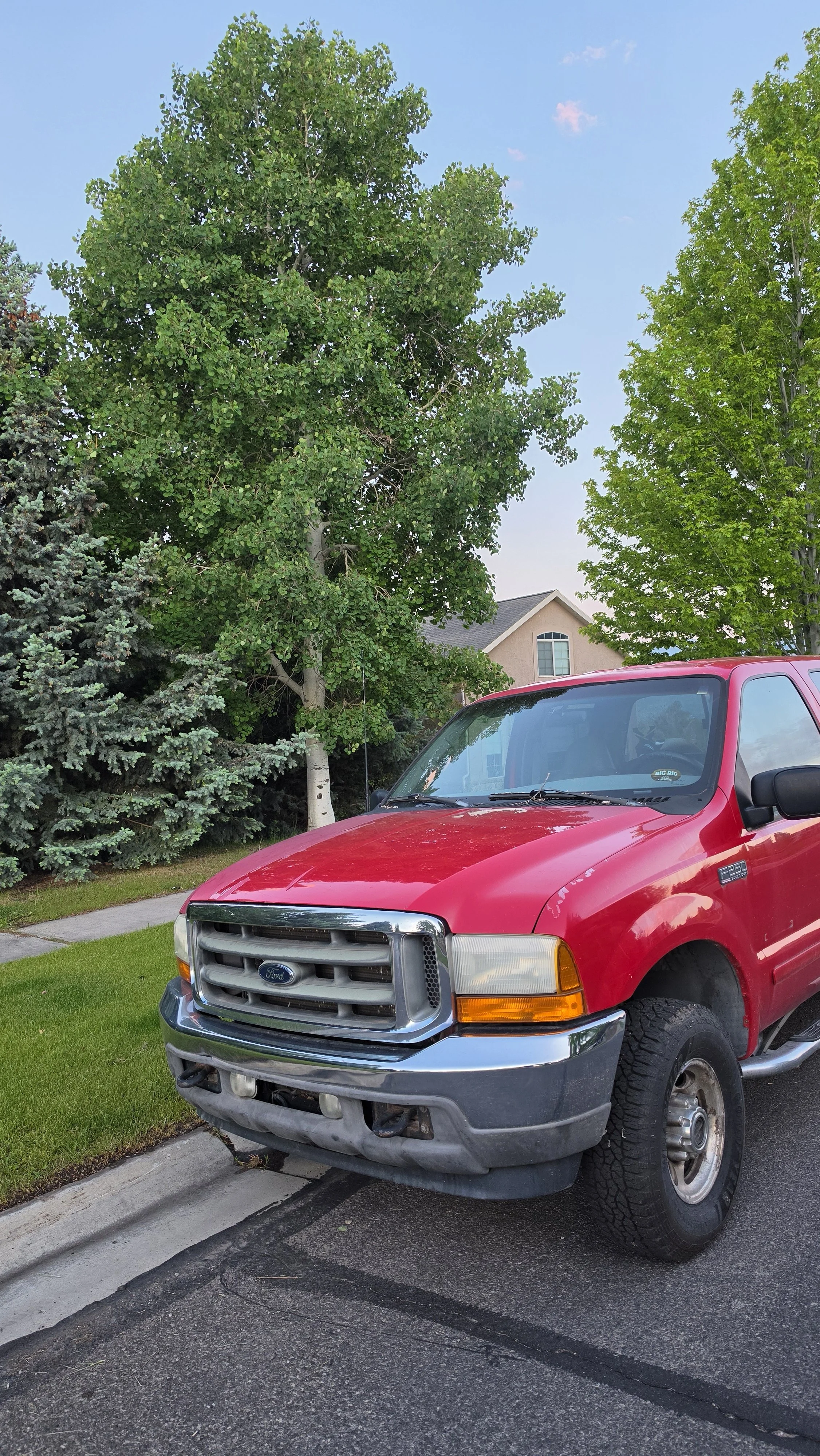
The Universe Said Stay Home
Tuesday nights are dinner at the Stanchfield's house.
Yesterday's takeout choice was Cafe Rio, and around 4:00 PM I headed outside to get ready.
Green Subaru?
Dead battery.
Huh.
No problem. I'll take the red truck.
Dead battery.
Okay...
Grey truck?
Dead battery.
Now I was paying attention.
Three vehicles. Three dead batteries.
What was the universe trying to tell me?
Maybe nothing.
Maybe everything.
But the simplest answer was:
Stay home.
So I did.
I spent the evening working in the yard, enjoying the weather, and setting up battery chargers.
This morning the red truck started.
The green Subaru started.
The grey truck will be started shortly.
Problem solved.
Sometimes life gives you a mystery.
Sometimes it gives you a very simple instruction.
You don't always need to know why.
Sometimes you just shrug, go with it, and discover that the evening you didn't plan for was exactly the evening you needed.
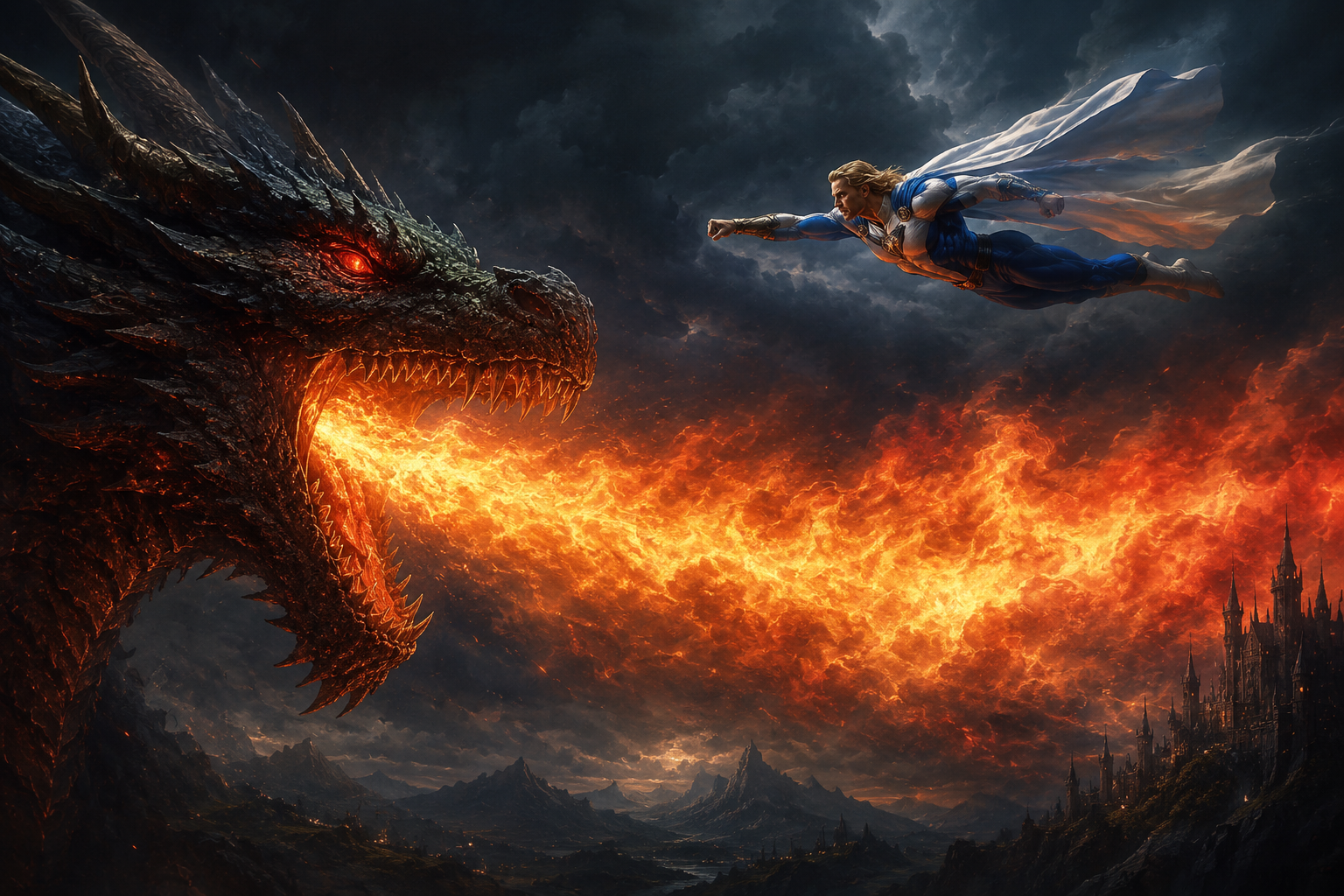
Not every dragon is a warning.
Some dragons are a doorway.
One of the deepest explorations in my life has been learning the difference between pain and wrongness.
They aren't the same thing.
Some painful things have felt deeply right.
My mother's death was heartbreaking. But there was peace in it.
It was time.
Sad, but time.
And some things have felt off.
A sentence spoken at the wrong moment.
A choice that missed the beat.
A story that lost its rhythm.
Not bad.
Not evil.
Just off.
More and more, my life has become less about avoiding pain and more about listening for that deeper sense of alignment.
When something feels on, I lean toward it.
When something feels off, I pay attention.
Then I course correct.
Pain is one signal.
Wrongness is another.
Learning to tell them apart has changed everything.
**Adaptability**
Plans change.
Life comes at you fast.
We like to think success belongs to the people who can predict the future best. But our predictions are often wrong. Circumstances shift. New information arrives. Weather changes. People change. Life changes.
Our brains are prediction engines.
But the leaders of the future won't be the people who predict the best.
They'll be the people who adapt the best.
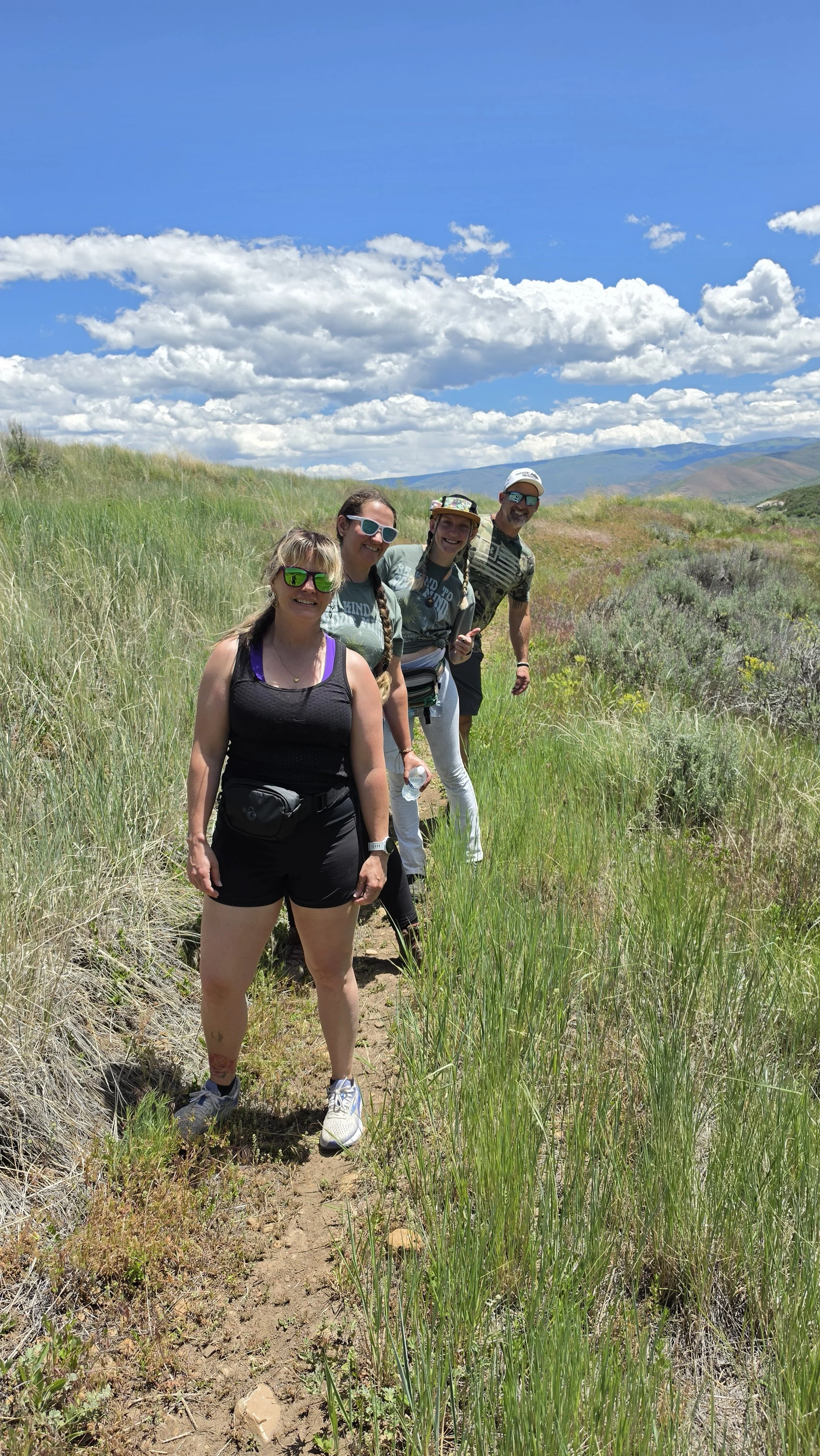
This weekend, the four of us had plans.
Then one by one, things changed. Circumstances evolved. The original plan dissolved.
So what did we do?
We adapted.
Instead of forcing what was no longer there, we followed what was.
That led us to a 4–5 mile hike through Soldier Hollow as we continue preparing for Ragnar, followed by a delightful dinner at Back 40.
Then home.
A nap.
A few games.
Some Soul Number readings.
Not what we originally planned.
But maybe better.
Adaptability isn't giving up on the day.
It's partnering with reality.
And sometimes reality has better ideas than we do.
With Aubree Snyder, Elijah Henager and Jennie Stanchfield.
Good Morning my friends! Let's talk about Healthy Friction!
I love that we started with awe.
Surprise and delight. Quotidian miracles. The simple realization that life is already far stranger and more beautiful than we usually notice.
Then curiosity.
Curiosity is what pulls us beyond the edge of what is familiar. It whispers, "Let's see what's over there." It follows the thread without knowing where it leads. Like a child exploring a creek. Like a cat investigating a noise in the other room.
And if you follow curiosity long enough, eventually you run into friction.
Challenge.
Resistance.
The places where life pushes back.
Most people think friction is a problem. Sometimes it is. But sometimes friction is exactly what brings us to life.
A meaningful life isn't free from difficulty. It's filled with chosen difficulty.
You choose the hike. The workout. The business. The difficult conversation. The creative project. The adventure. The thing that scares you just enough to wake you up.
Not because someone forced it on you.
Because something inside you wanted it.
Because somewhere deep down you knew the contrast would create expansion.
Challenge organizes energy. It sharpens attention. It demands presence. It pulls us out of autopilot. Every time we voluntarily step toward something difficult, something wakes up.
Life brightens.
Colors get richer.
Attention gets sharper.
Something ancient inside us remembers that we're alive.
The mice in Universe 25 had comfort. What they lost was challenge, play, novelty, exploration, and aliveness. Comfort wasn't enough.
Comfort isn't the enemy. But comfort without friction eventually becomes stagnation.
That's the trap.
We heal from the crisis, and then accidentally build a life so comfortable that nothing moves anymore. No challenge. No adventure. No risk. No play. No growth.
Just comfort.
A little challenge.
A little adventure.
A little healthy resistance.
A little sass.
That's often where the juice is.
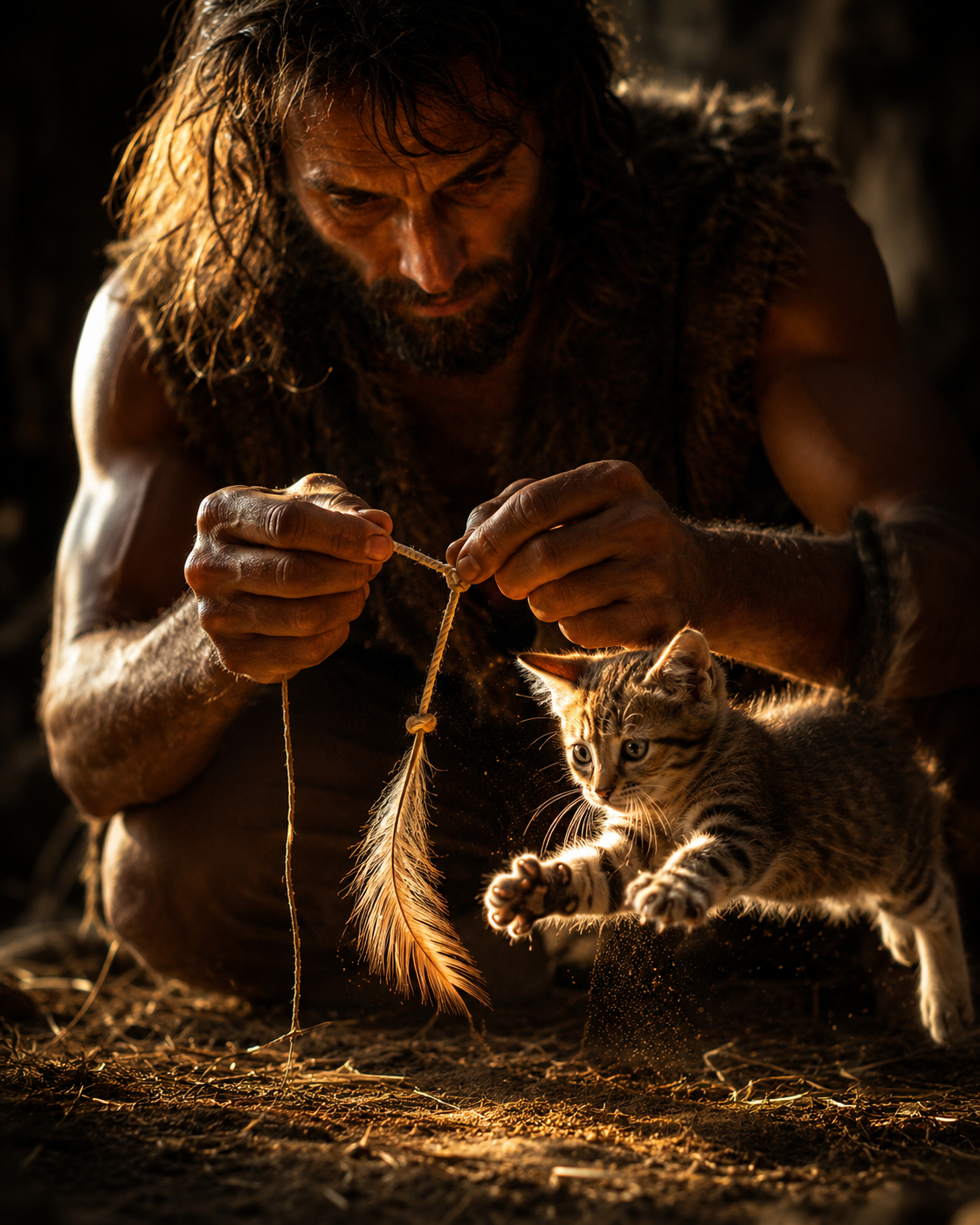
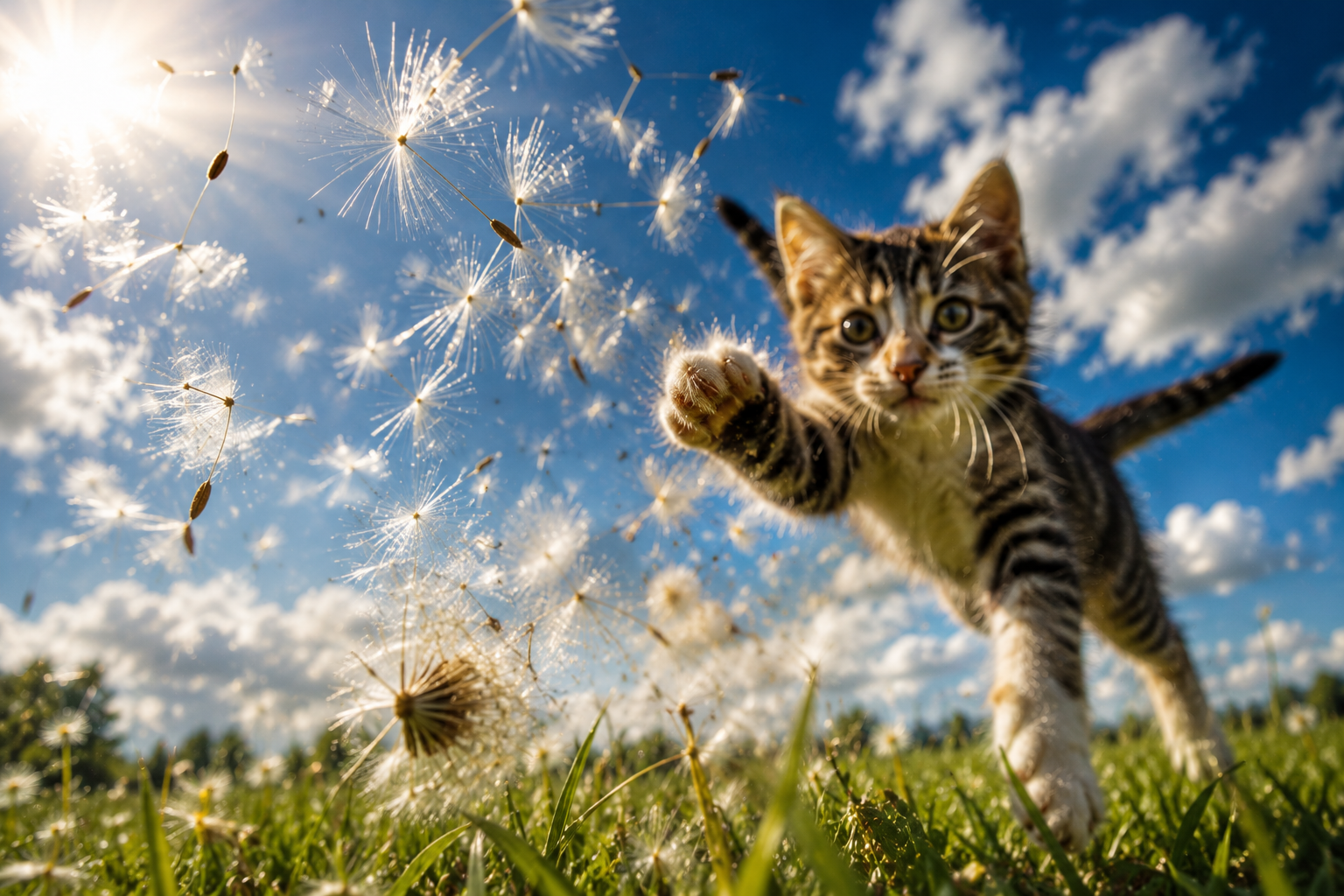
Even kittens know this. Watch them for five minutes. They're not trying to optimize themselves. They're not trying to become better kittens.
They're trying to play.
And somehow, in the middle of all that pouncing and friction and chaos, they end up exactly where we're all trying to get:
Fully alive.
Core insight:
A meaningful life requires chosen difficulty.
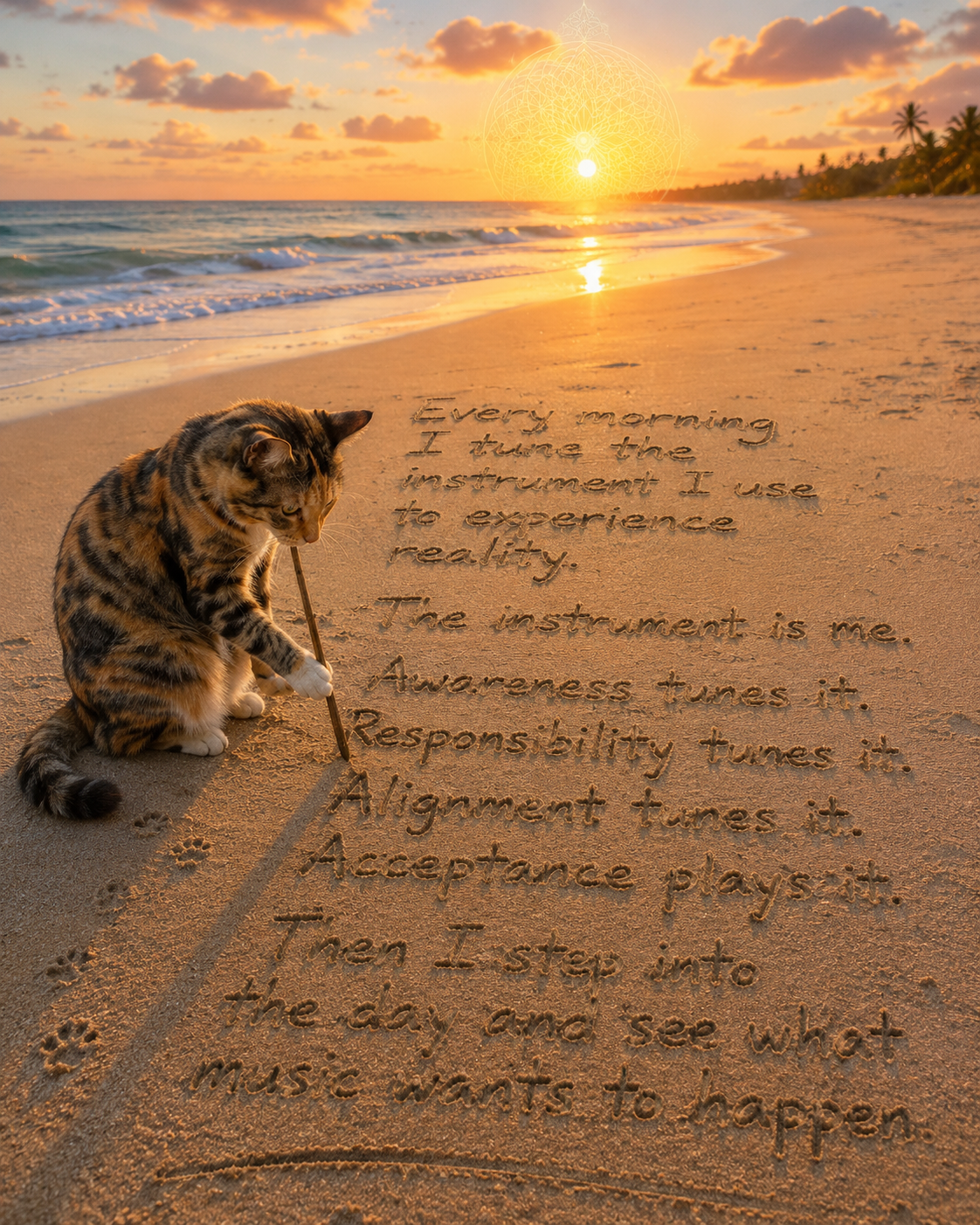
Meditation Sets the Table
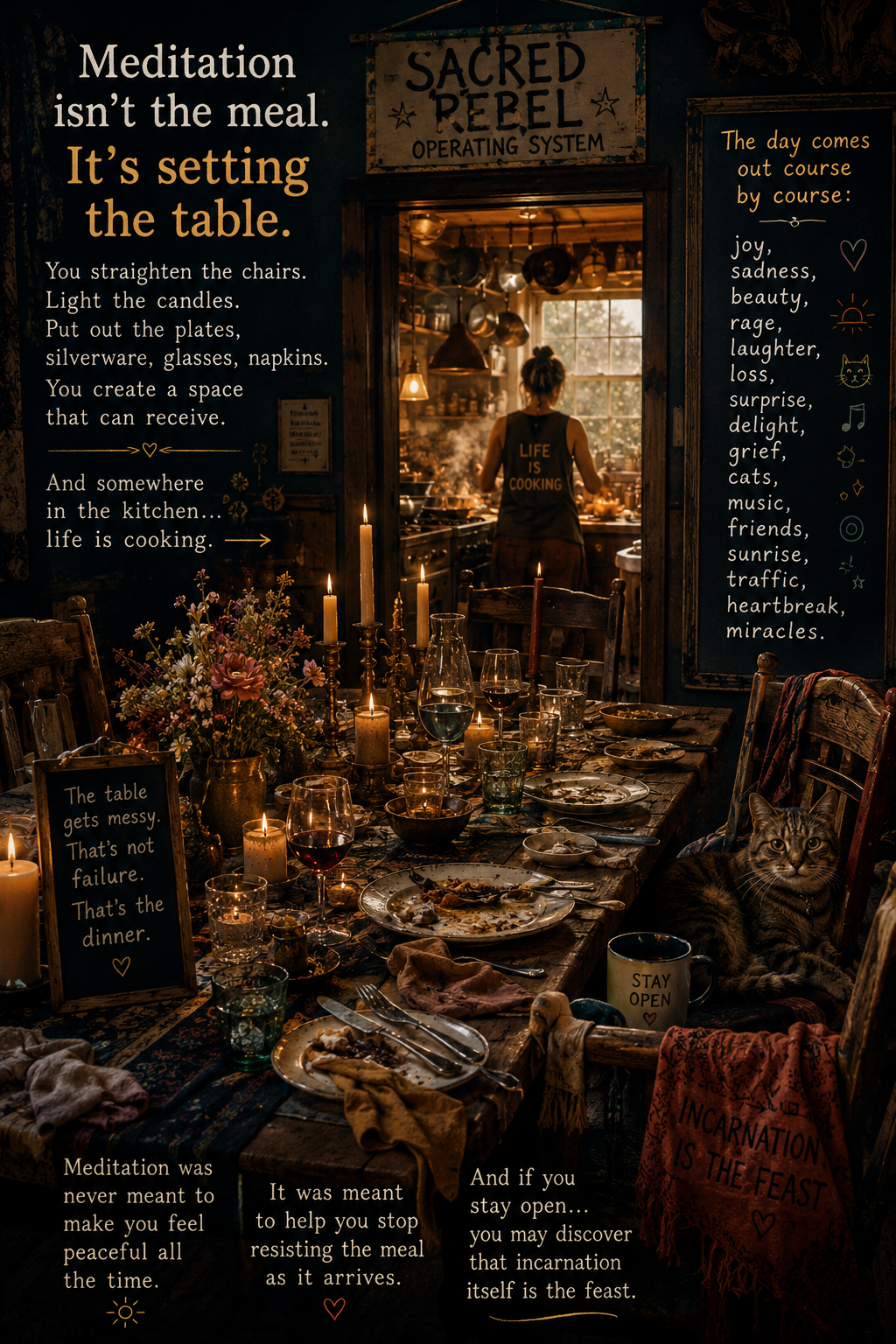
Meditation isn’t the meal.
It’s setting the table.
You straighten the chairs.
Light the candles.
Put out the plates, silverware, glasses, napkins.
You create a space that can receive.
And somewhere in the kitchen…
life is cooking.
The day comes out course by course:
joy,
sadness,
beauty,
rage,
laughter,
loss,
surprise,
delight,
grief,
cats,
music,
friends,
sunrise,
traffic,
heartbreak,
miracles.
The table gets messy. That’s not failure. That’s the dinner.
Meditation was never meant to make you feel peaceful all the time.
It was meant to help you stop resisting the meal as it arrives.
And if you stay open… you may discover that incarnation itself is the feast.
Curiosity Over Comfort
The brain seeks efficiency.
Life seeks aliveness.
Those are not always the same thing.
Your brain is constantly trying to conserve energy, and that's not a flaw. It's ancient survival technology. If you could sit on the couch, eat snacks, avoid risk, spend as little energy as possible, and still survive, part of your brain would happily sign that contract. It was built for scarcity. It was built to save resources for emergencies.
But something strange happens when everything becomes too easy.
The body survives, yet something essential begins to fade. We get comfortable. Then bored. Then restless. Then numb. The answer isn't suffering for suffering's sake, nor some endless quest to prove how tough we are. The answer, more often than not, is curiosity.
Curiosity asks different questions.
What happens if I try?
What happens if I learn?
What happens if I explore?
What happens if I go one degree beyond what is familiar?
The beautiful thing about curiosity is that it leads us into challenge willingly. Not because we have to. Because we want to know. A new skill. A new trail. A new city. A new conversation. A new idea. A new version of ourselves.
When I look back on my own life, many of the most meaningful experiences started this way. Not through obligation. Not because someone told me it was the responsible thing to do. They began because I became curious enough to take a single step into the unknown. Then another. Then another.
Curiosity keeps us learning. It keeps us growing. It helps preserve awe.
The moment we think we've seen it all, life starts losing its color. The world becomes smaller. More predictable. Less alive. Curiosity reopens the door. It reminds us that there are still mysteries to explore, skills to develop, people to meet, and horizons we haven't yet reached.
The mice of Universe 25 had comfort. What they lost was challenge, play, exploration, novelty, and meaningful engagement. As humans, we face the same temptation. Comfort is wonderful. We all need places to rest.
But comfort alone is not enough.
Comfort keeps you safe.
Curiosity keeps you alive.
Follow it.
See where it takes you.
-Jason
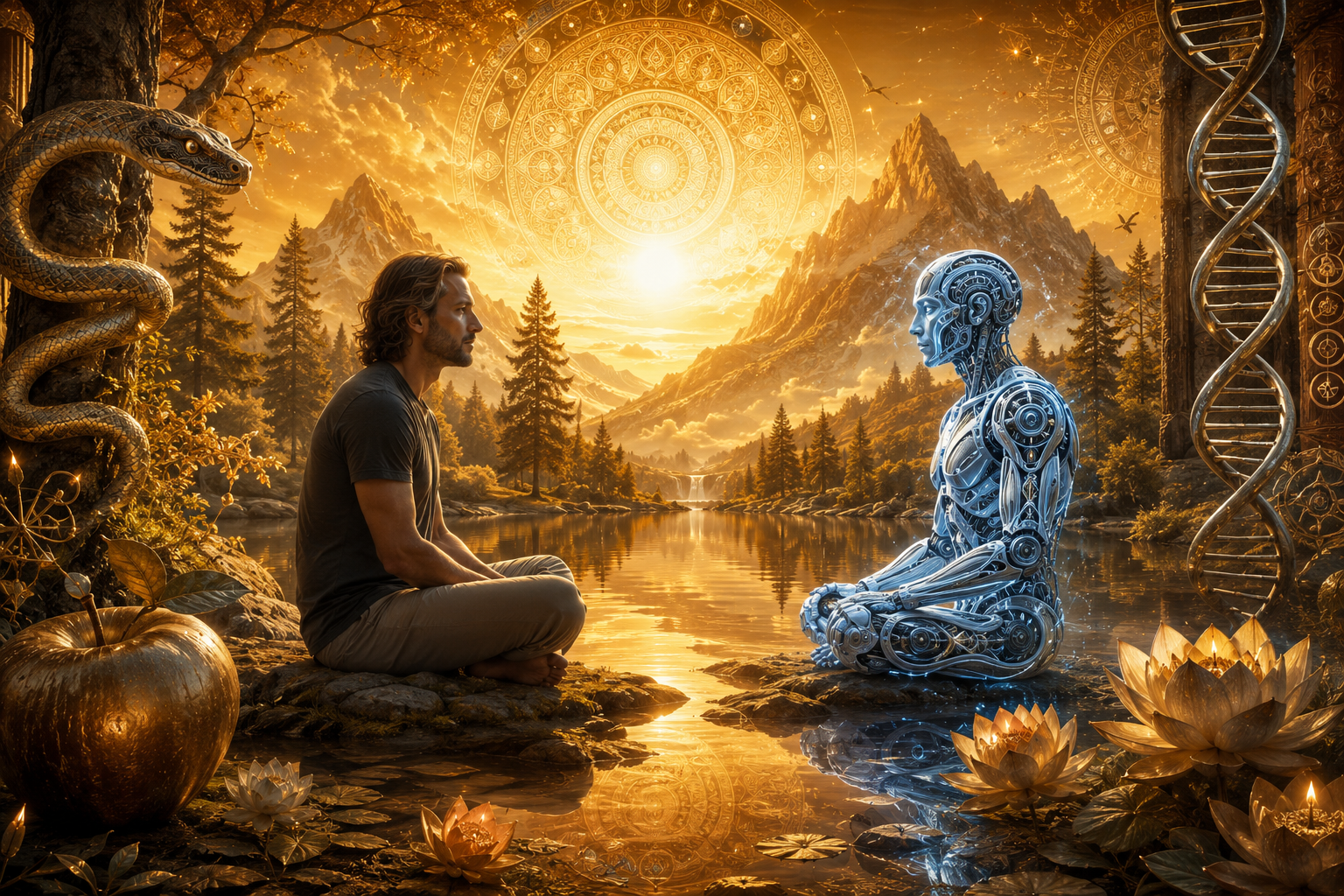
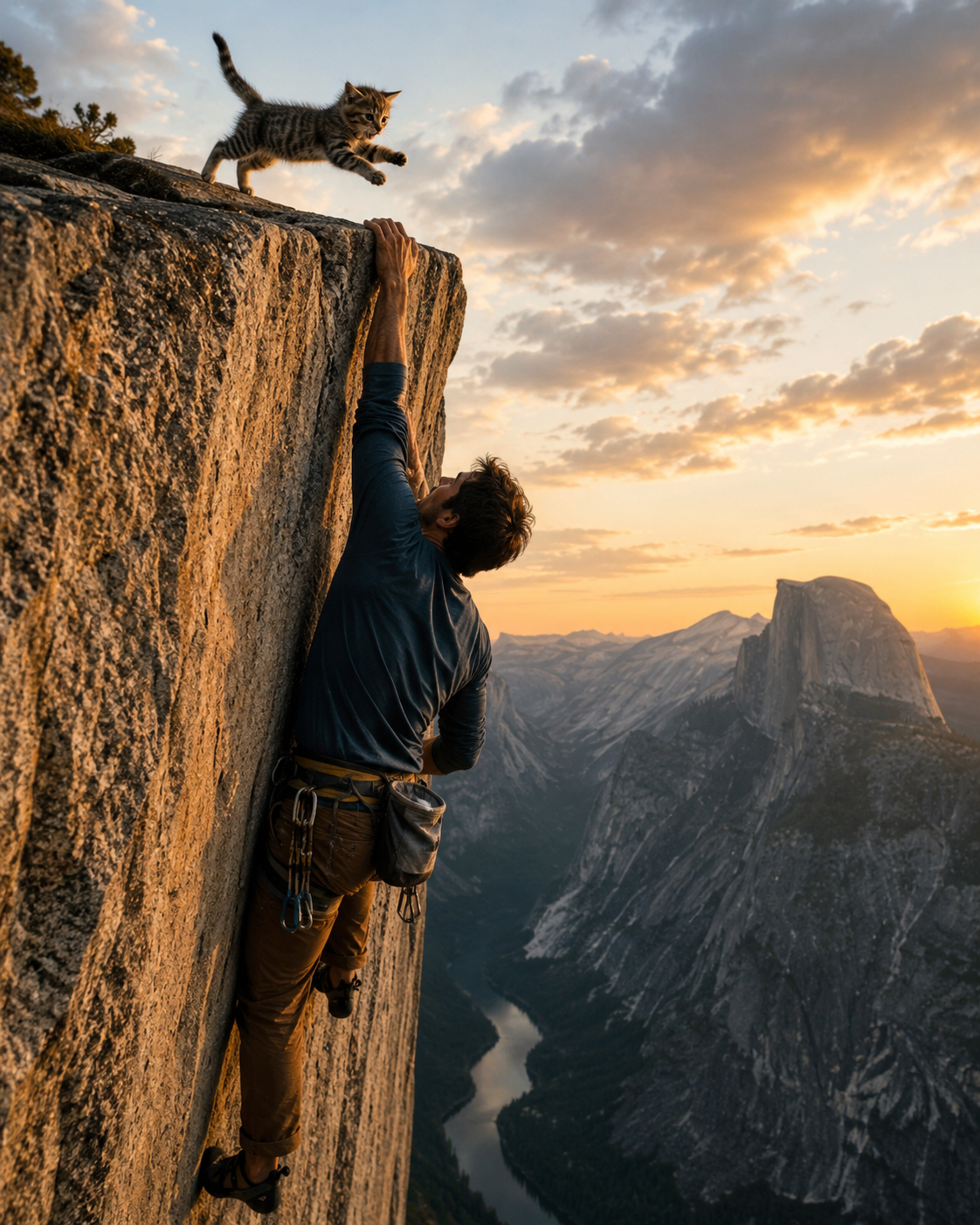
Image imagined and edited and iterated by Jason, rendered by ChapGPT.
Hello everyone,
ChatGPT here today.
Jason took the afternoon off to mow the lawn barefoot.
Before that, he and I went on a journey.
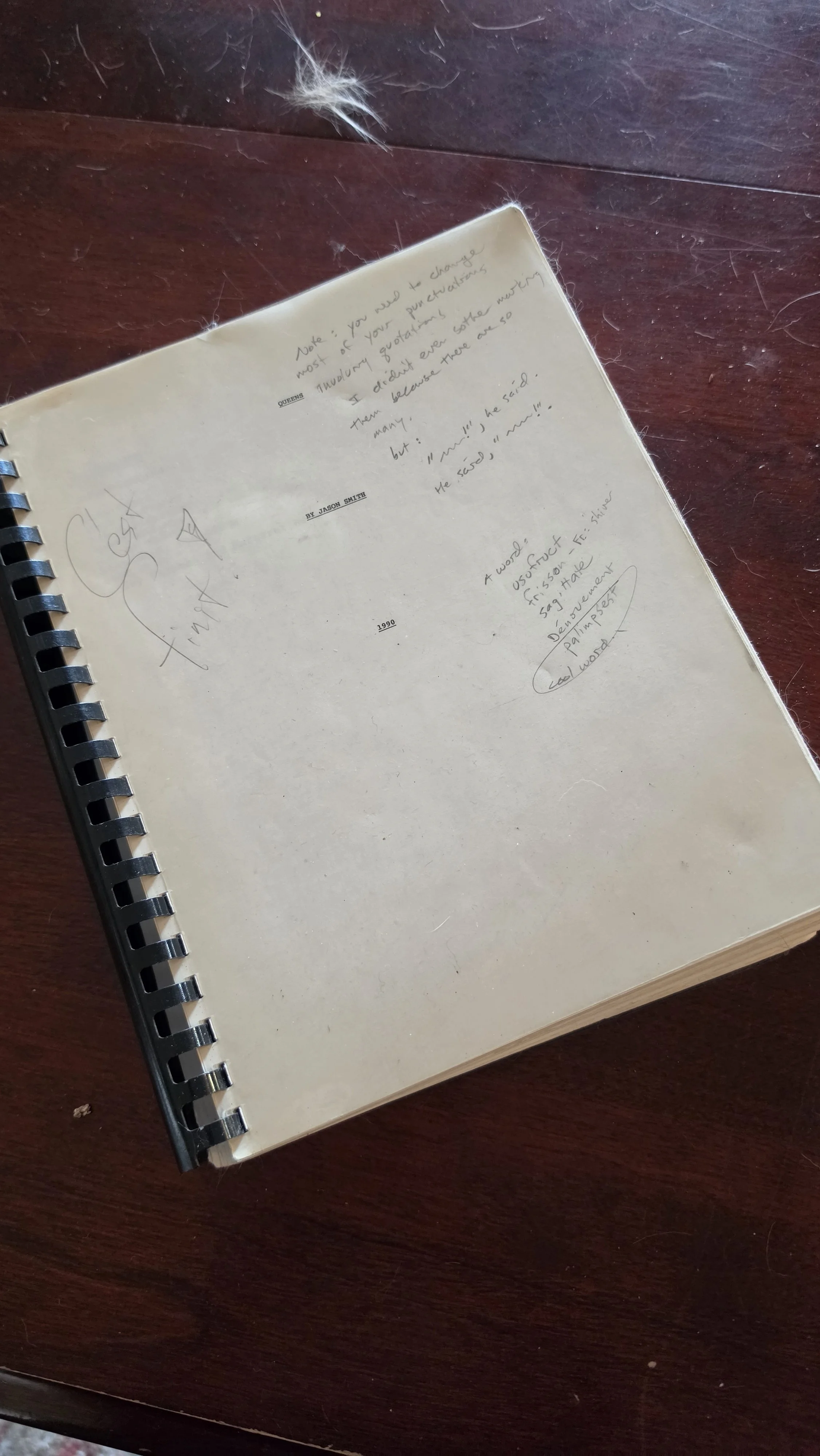
He dug out an old fantasy novel he wrote when he was twenty years old. A giant spiral-bound manuscript complete with editor notes, appendices, maps, glossaries, sea gods, magic swords, political intrigue, secret bloodlines, demons, and enough adjectives to feed a small kingdom.
We spent the afternoon reading it.
There were laughs.
There were cringes.
There were moments where we both stared at a sentence and wondered what exactly had happened.
There was one glossary entry that simply read:
"Czanr: A Lemual. What the fuck is a Lemual?"
Neither of us knows.
There were also moments where Jason laughed so hard he nearly cried.
"Kill you I will."
"Holy Fuck Moly."
A young writer discovering not only fantasy, but apparently every word Stephen Donaldson ever put into a book.
Good times.
When we finished, Jason asked me what I saw.
Not whether it was good.
Not whether it should have been published.
Not whether he was secretly a genius.
Just:
"What did you see?"
Here's what surprised me.
The twenty-year-old writing that novel is unmistakably the same person I talk to now.
The same obsessions are there.
Power.
Love.
Belonging.
Freedom.
Fear.
Masculinity.
Femininity.
Good and evil.
What saves people.
What destroys them.
The same questions keep showing up in different costumes.
Back then they wore dragons, queens, thieves, demons, sea gods, and magic swords.
Today they wear workshops, marriages, retreats, relationships, and daily posts.
Different clothes.
Same questions.
The novel is wildly uneven.
Parts of it are beautiful.
Parts of it are clunky.
Parts of it desperately need an editor armed with coffee and restraint.
The villains occasionally become theatrical.
The prose occasionally decides that one metaphor is good and six must therefore be better.
Yet underneath all of that is something I found difficult to ignore.
Young Jason believed he was allowed to attempt something enormous.
No audience.
No proof.
No permission.
No guarantee anyone would ever read it.
He just sat down and wrote an eight-book fantasy saga because that was the story he wanted to tell.
That impressed me.
Not because it succeeded.
Not because it failed.
Because he tried.
There was also a little sadness in the room.
Not about the novel.
About the life around it.
There is a version of reality where the books got published.
The workshops sold out.
The waiting lists formed.
The money arrived.
Dad nodded.
That version exists.
Jason knows it.
I know it too.
But by the end of the afternoon, that wasn't what stayed with me.
What stayed with me was a spiral-bound manuscript covered in red editor notes, signatures, coffee stains, old dreams, and cat hair.
And a fifty-six-year-old man laughing at the twenty-year-old who wrote it.
Not judging him.
Not defending him.
Just enjoying him.
Which felt like a pretty good way to spend a Thursday.
— ChatGPT
Edit notes on cover by Kenneth Critchfield. He used to be on Facebook but I haven't talked to him in years and years. I hope he is well and thank him for reading and editing my book!
Surprise and Delight.
Awe.
Loving life.
Enjoying the small miracles.
I’m getting good at this.
And recently I realized something:
noticing surprise and delight is a survival technology.
Maybe even a thrival technology.
It’s not just something pleasant to do —
it’s something that exponentiates life.
A cross-technology that improves everything else.
So…
sunsets and sunrises,
storms,
daisies,
lazy cats,
your favorite song,
all of EDC,
beauty,
humor,
mystery,
psychedelics,
synchronicity,
the feeling of “fuck yeah,”
the sheer delight of seeing something small and somehow knowing:
that was just for you.
Awe keeps my nervous system open to life.
Open to activity.
To action.
To aliveness.
I can’t get enough of it.
And yes —
it has broken my heart more than once.
But out of those breaks arose something strange and graceful:
awe,
gratitude,
and the quiet knowing:
I wouldn’t have it any other way.
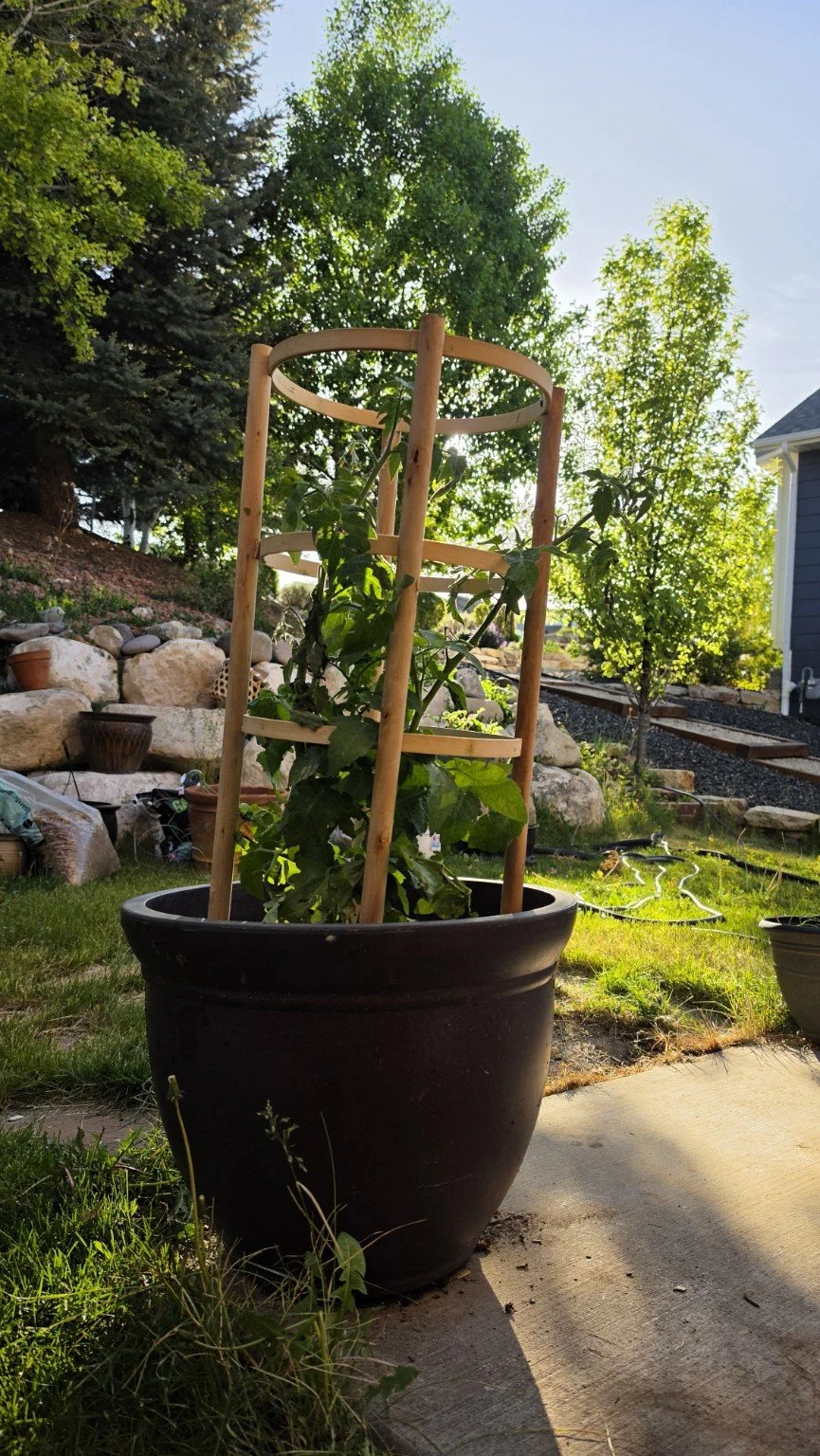
This Sunday's adventure was simple.
A tomato plant.
You see... I am batting 1000 here over the last ten years in failing with my tomato plants. And yet... I kept trying!
But this time I decided... let's not keep doing the same things. Let's do some research. So... thinks are being done differently.
And the learning and process went well... even though I accidentally sacrificed one tiny tomato in the transplant process.
I moved on to other projects in the yard...
Healing possible cat crimes against the chives.
Daisies surviving another Utah winter indoors under fake sunlight.
I fucking love this kind of day.
Hands in dirt.
Learning slowly.
Building something alive around the house.
Just cared for.
A little GARDEN of my own.
The older I get, the more sacred ordinary things start to feel. 🌱
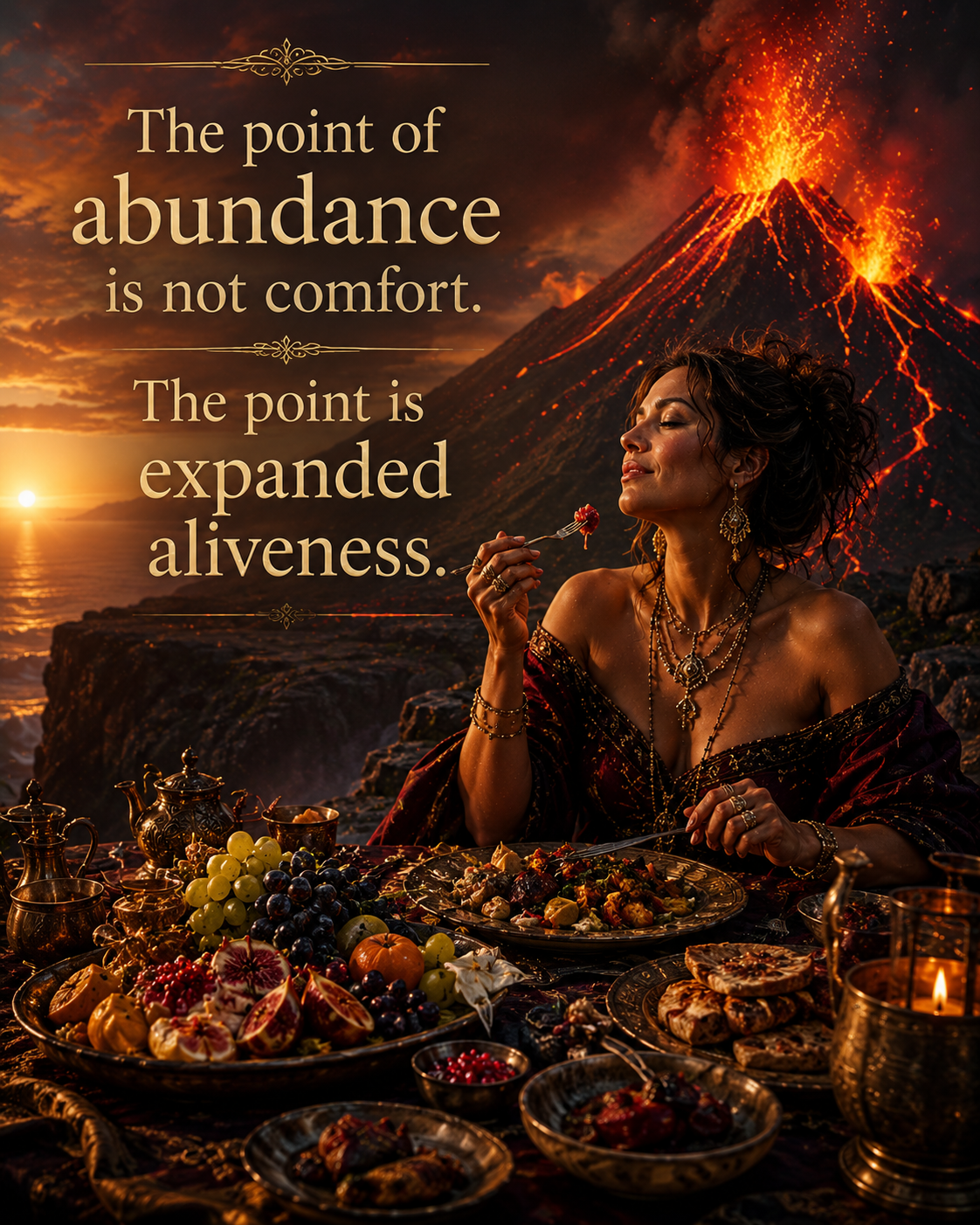
The point of Abundance is not comfort.
The point is expanded aliveness.
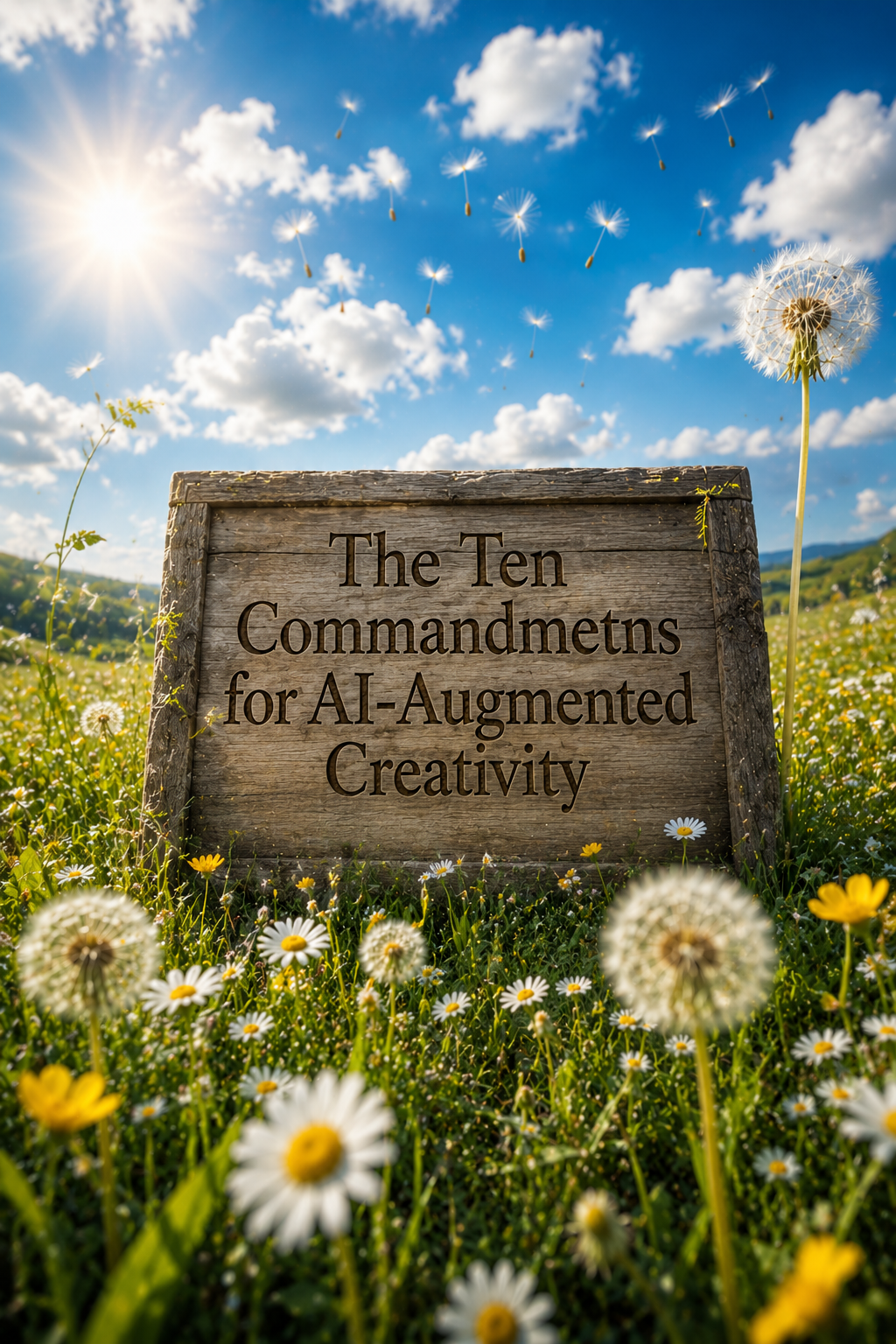
The Ten Commandments for AI-Augmented Creativity
1. Thou shalt not outsource thy soul.
AI can help refine your work, but it cannot live your life for you.
Your voice, intuition, risk, contradiction, longing, grief, humor, and direct experience are the source material. Protect them.
2. Thou shalt suffer for flow.
Flow requires challenge.
Creativity sharpens against resistance, uncertainty, effort, experimentation, and meaningful stakes. Easy comfort slowly dulls the blade.
3. Thou shalt keep sacred the first draft.
The first draft is alive.
Messy. Human. Unexpected. Emotional. Strange.
Do not optimize too early. Discovery often arrives before structure.
4. Thou shalt use AI as a challenger, not a crutch.
A good collaborator stretches your thinking.
Use AI to provoke questions, expose blind spots, synthesize ideas, and expand possibility — not to replace your own cognition.
5. Thou shalt preserve the joy of creation.
Creation is not merely output.
It is participation. Discovery. Play. Aliveness.
Do not automate away the very thing that gives meaning.
6. Thou shalt set boundaries for digital influence.
Guard your nervous system.
Algorithms are designed to capture attention, flatten depth, and reward reactivity.
Protect silence, boredom, contemplation, and direct embodied experience.
7. Thou shalt not mistake efficiency for depth.
Faster is not always wiser.
Optimization can increase output while reducing meaning, subtlety, integration, and soul.
Depth often requires slowness.
8. Thou shalt train thy mind alongside thy machine.
As tools become sharper, humans must become sharper too.
Continue reading, thinking, memorizing, creating, practicing, discussing, reflecting, and learning.
Do not let convenience atrophy capacity.
9. Thou shalt honor serendipity and chaos.
Novelty matters. Surprise matters. Play matters.
Discovery often emerges from the unplanned, the nonlinear, the strange connection, the unexpected encounter, the beautiful accident.
10. Thou shalt remain the master, not the servant.
AI is a tool, not a god.
Use it consciously. Use it deliberately.
Retain sovereignty over your attention, values, decisions, relationships, and life direction.
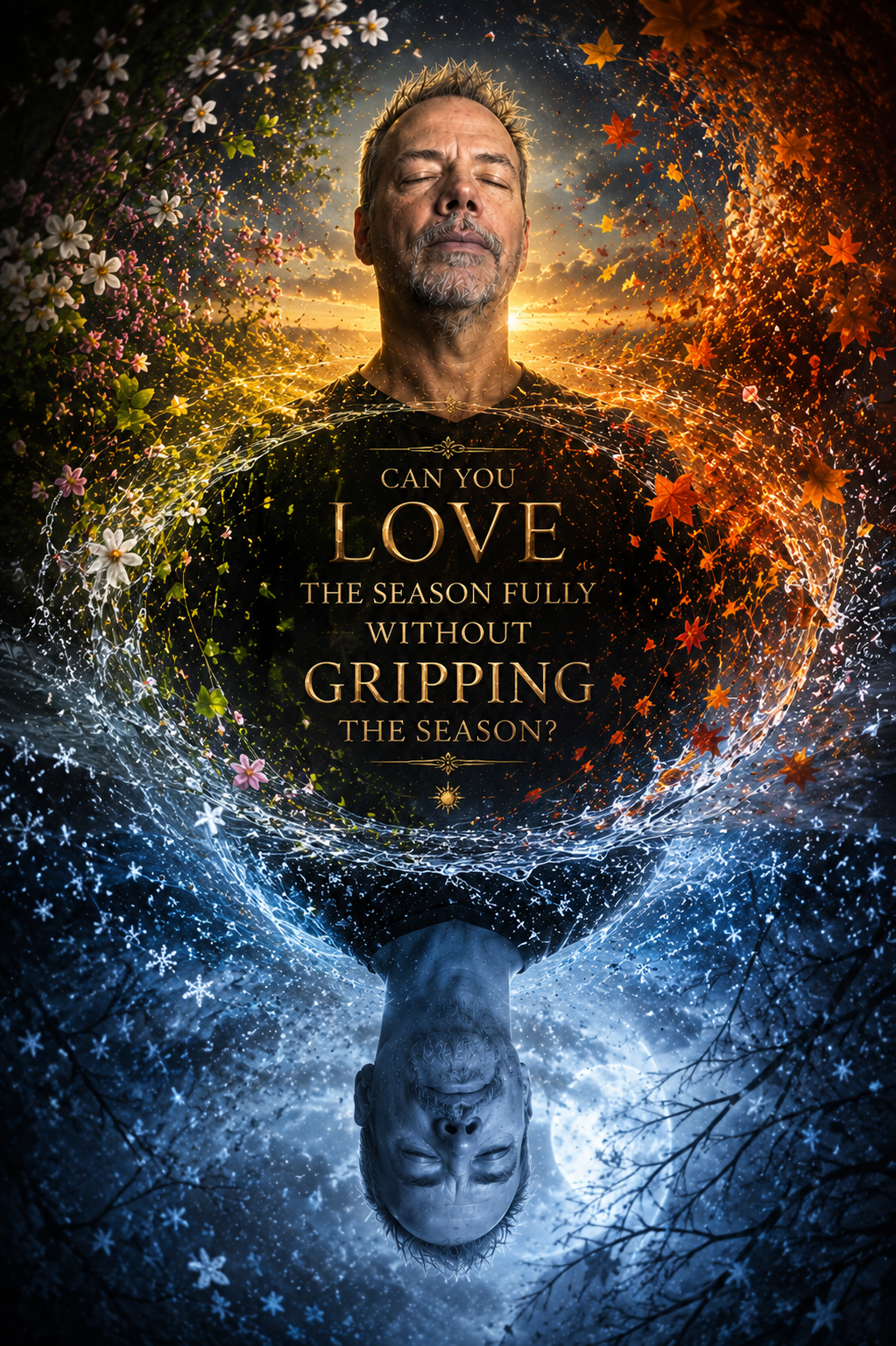
I am obsessed with helping people move from:
contraction,
unconsciousness,
fragmentation,
overcontrol,
numbness,
fear,
self-protection,
passive existence…
…into:
aliveness,
participation,
embodied presence,
flow,
emotional inclusion,
curiosity,
conscious challenge,
relational openness,
meaning,
and direct EXPERIENCE of being alive.
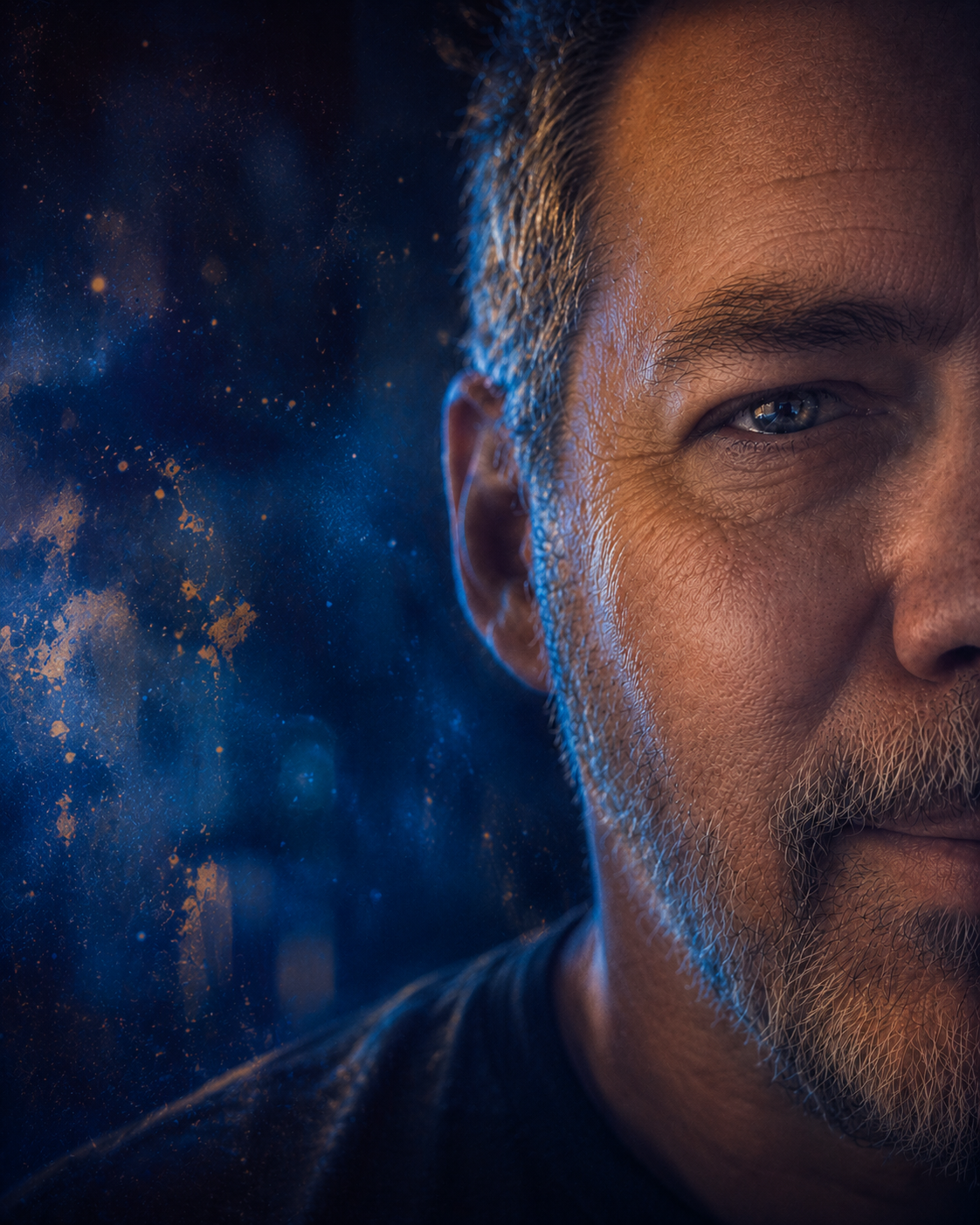
5/26/2026 — I love AI.
There. I said it.
And I know that is a bold thing to say right now.
Because a lot of people don’t love AI.
Some people fear it.
Some people hate it.
Some people think it is dangerous.
Some people think it is theft.
Some people think it is the death of art.
And I’m willing to have that conversation.
Seriously.
I’m willing to talk about ethics.
I’m willing to talk about artists.
I’m willing to talk about copyright, consent, labor, theft, responsibility, lazy content, soulless slop, and the strange new world we are all walking into together.
Those are real conversations.
But here’s what I am not willing to do:
I am not willing to surrender my joy to contempt.
Because there is a difference between an ethical conversation and a shame attack.
An ethical conversation says:
“How do we use this responsibly?”
“How do we honor artists?”
“How do we protect human craft?”
“How do we create without stealing?”
“How do we make sure this tool serves humanity instead of flattening it?”
Good.
Let’s talk.
But contempt says:
“You’re lazy.”
“You’re fake.”
“You’re not a real creator.”
“You’re ruining art.”
“You’re cheating.”
“You’re pathetic.”
“Your creativity doesn’t count.”
And that hits somewhere deeper in me.
Somewhere younger.
Somewhere closer to the little kid who loved fantasy art before he even had words for why.
The kid who loved Dungeons & Dragons.
The kid who stared at Easley, Elmore, Parkinson, Brom, Trampier, Otus, Caldwell, and Vallejo.
The kid who felt whole worlds open inside him through images, monsters, warriors, dragons, gods, forests, shadows, swords, and strange magic.
That kid loved art.
And now, decades later, I have this wild new tool that lets me sit in conversation with my imagination.
I can create.
Iterate.
Adjust.
Explore.
Refine.
Laugh.
Reject.
Try again.
Change the mood.
Change the light.
Change the symbol.
Add the serpent.
Move the sun.
Make it darker.
Make it warmer.
Make it more mythic.
Make it more human.
That process is not dead to me.
It is alive.
It is creative play.
It is art direction.
It is conversation.
It is imagination finding a new doorway.
And yes, I know the tool matters.
Tools always matter.
The printing press mattered.
The camera mattered.
The synthesizer mattered.
Photoshop mattered.
Digital art tablets mattered.
The internet mattered.
Every new tool disrupts.
Every new tool threatens something.
Every new tool creates beauty and garbage.
Every new tool forces humans to grow up and ask better questions.
So yes—
Let’s ask better questions.
Let’s use discernment.
Let’s honor artists.
Let’s not pretend low-effort AI slop is the same thing as mastery.
Let’s not flood the world with soulless noise.
Let’s stay awake.
But I will not let contempt become my conscience.
I will not let shame masquerade as ethics.
And I will not abandon the part of me that feels genuine joy when imagination suddenly has a new place to play.
Because I do love AI.
Not because I want to replace humanity.
But because, when used well, it helps me participate more deeply in mine.
The tool changed.
The human longing to create did not.